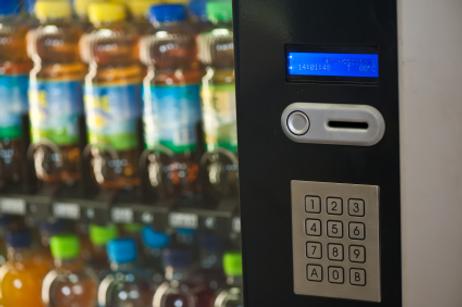
Vending machines have become a mainstay in many public schools today, but nutrition experts fear that the calorie-laden treats lurking inside could be contributing to our nation's obesity epidemic. Some schools have taken action against such temptations by eliminating vending machines, while others are replacing the fare with nutritional options that boast less fat and fewer calories.
Are vending machines in schools a pleasant convenience or a nutritional threat? We will explore this issue to discover the full impact they have on the overall health of our children.
Junk Food Studies
A recent study in the showed that school vending machine purchases added about 253 calories to the diets of the 22% of students who ate them daily. Researchers from the University of Michigan, Michigan State University, and Food & Nutrition Database Research Inc. of Okemos, Michigan, conducted the study. The data was collected from 2,309 students nationwide in grades 1-12, and the findings were published in the September issue of the Journal of School Health.
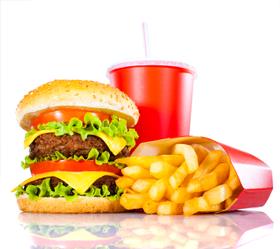
The study also found that the most popular vending machine selections included soda pop, candy, chips, crackers, cookies, cakes, and ice cream. Healthier selections, including low-fat milk, fruit juice, and fruit, were also purchased.
In addition to the added calories, children who regularly snacked from vending machines added ten more grams of sugar to their diet daily. The same kids consumed less fiber, iron, and B vitamins overall.
The Problem with Obesity
It is