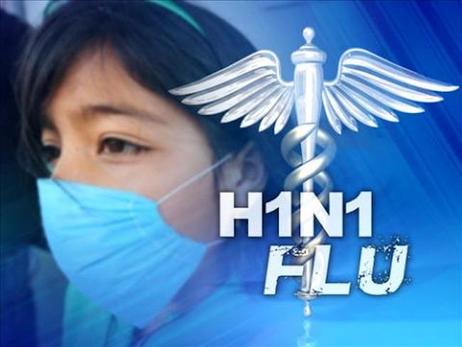
As students return to school after summer, the risk of H1N1 grows stronger. Students confined to close quarters are at greater risk of contracting any type of illness, and this year, the flu is much more serious. To combat the risks of shared seating, enclosed classrooms, and close student contact, public schools are actively creating plans to prevent the spread of H1N1 before the school year begins.
Attempting to Prevent the Spread of H1N1 in Public Schools
As reveals, public schools across the country are preparing for the potentially pandemic spread of H1N1 among their elementary, middle, and high school students. In fact, "Health experts say the illness poses a special risk to schools, which are set to re-open at the start of the flu season."
In an attempt to prevent the spread of this serious virus, some public school leaders are requiring that students receive mandatory vaccinations. While nearly all public schools require kids to have vaccinations for illnesses such as polio and the measles, some leaders believe that students should be vaccinated for H1N1 when the treatment becomes available. Based upon current vaccine testing, students should be able to gain access to the vaccination by October of 2009.
The US Center for Disease Controls (CDC) warns parents and school leaders that the H1N1 could "come back strong this year and trigger a severe flu season," and subsequently, the CDC "is recommending vaccines for several groups of people, including school children, and asking schools to take added precautions."
Public School Precautions
In addition to plans to inoculate all children, many public schools are implementing even more preventative measures. As the Cincinnati Community Press reveals, local Cincinnati schools have established close communications with the Center for Disease Control and Hamilton County General Health District, and the goal is to help their schools stay ahead of the H1N1 virus. Based upon these discussions, many school nurses have been charged with teaching children about preventative strategies, which commonly include:
- Proper hand washing
- Refraining from touching the eyes, nose and other mucus membranes
- Avoiding contact with peers or teachers who may be ill and have the flu
- Regularly cleaning desks, door knobs, table surfaces, and other commonly used areas
- Enforcing consistent health etiquette habits, including covering one's mouth while coughing and covering one's nose while sneezing
Adding to these measures, many school plans include requiring all students with potential flu symptoms to stay at home for at least 24 hours after the symptoms have subsided.
Other school leaders are taking their preventative plans to a more extreme level. As , a New York public school district, Nassau County Schools, has taken more drastic preventative measures by nearly "banning" students from touching one another. Touching fellow students can expedite how quickly disease spreads, and subsequently, school leaders are urging students to keep their hands to themselves. Specifically, students are encouraged to refrain from "chest bumps," giving their friends "high fives," hugs, and even handshakes! While some parents and community members feel that this particular school district's policy is unrealistic, others applaud the school leaders for actively striving to keep all of the children and employees as safe and protected from H1N1 as possible.
Will Nassau County Schools' attempt to stymie H1N1 work? Only time will tell. As Dr. Holly Phillips of WCBS evaluates, "Hysteria should be avoided, but it's good that the school district is emphasizing keeping kids safe. Not touching won't prevent transmission. The virus can live on surfaces and be transmitted via coughs and sneezes."
September rings in school bells, and this year, it may bring more cases of H1N1. Talk to your children about how they can practice important sanitation habits at school to minimize their risks of contracting H1N1.