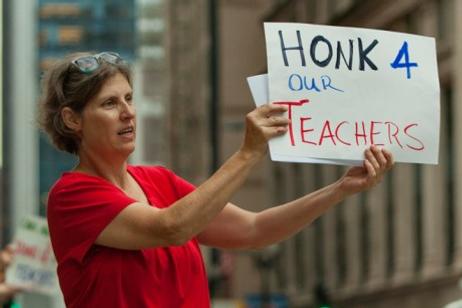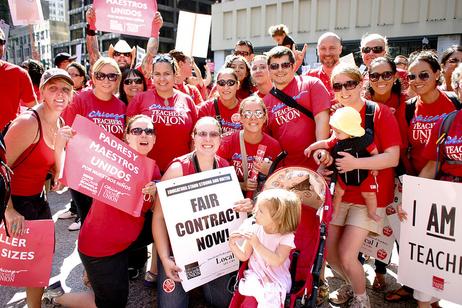
After a seven-day strike temporarily shut down , students eventually returned to classrooms and teachers resumed instruction. While the immediate disruption ended quickly, the strike became one of the most influential education labor disputes of the past decade. In the years since, the issues highlighted during the Chicago teachers' strike have continued to shape national debates about teacher contracts, evaluation systems, and education reform.
In the months leading up to the strike, negotiations between the , district administrators, and city leadership grew increasingly tense. City officials proposed reforms that included longer instructional days, expanded hiring authority for principals, and new teacher evaluation policies. Union leaders argued that reforms should also address teacher salaries, job security, classroom size, and additional services for students in under-resourced communities. As negotiations continued throughout the summer, some observers hoped a compromise would be reached, while others believed a strike was becoming increasingly likely. This video from the Chicago Teachers Union discusses what was learned from the teachers' strike.
Video discussions and interviews from the Chicago Teachers Union following the strike highlighted how educators viewed the negotiations and the broader issues affecting Chicago Public Schools.
Two Points of Contention
When union delegates ultimately voted to strike shortly after the school year began, two key issues remained unresolved. One involved hiring autonomy for principals. City leadership argued that principals should have the flexibility to