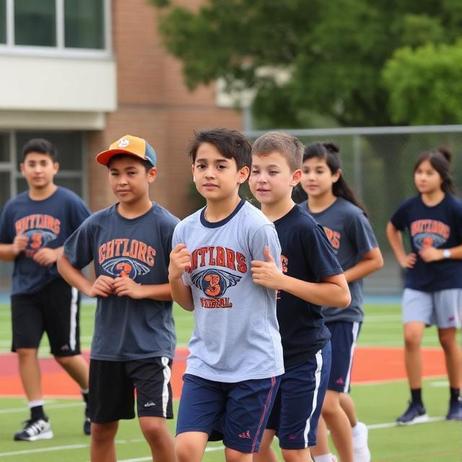
The role of sports in public schools continues to evolve as educators place greater emphasis on student well-being, engagement, and whole-child development. In 2026, athletics programs are no longer viewed simply as extracurricular activities. They are increasingly recognized as an essential component of a balanced education.
Public school sports programs support physical health, teach leadership and teamwork, and help students stay connected to their school communities. As districts address challenges such as student mental health, declining physical activity levels, and academic engagement, athletics programs are playing a larger role in supporting student success.
At the same time, schools must balance expanding athletic opportunities with financial constraints, equity considerations, and changing student interests. Understanding the role of sports in public schools today requires examining both their benefits and the challenges districts face in maintaining strong programs.
Why Sports Remain Essential in Public Schools
Athletics have long been part of American public education, but research continues to reinforce their value. Participation in school sports is linked to improved physical health, stronger social skills, and higher levels of student engagement.
According to the, regular physical activity improves concentration, memory, and classroom behavior in children and adolescents. School sports provide a structured environment where students can meet recommended activity levels while developing important life skills.
In 2026, educators increasingly recognize that sports programs contribute to three key areas of student development:
1. Physical health
Sports help