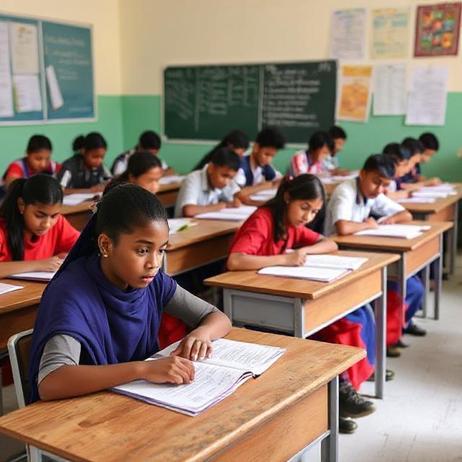
Public schools increasingly face challenges that extend far beyond academics. Issues such as poverty, mental health needs, housing instability, and food insecurity all influence a student鈥檚 ability to learn. In response, many districts are turning to the community schools model, an approach that integrates education with social services and community partnerships.
The community schools model positions schools as neighborhood hubs where students and families can access academic support, health services, counseling, and enrichment programs. By addressing barriers to learning directly, this integrated approach aims to improve both educational outcomes and long-term community wellbeing.
As public education evolves, understanding how community schools work and the results they produce can help families and educators evaluate their potential impact.
What Is the Community Schools Model?
The community schools model transforms traditional public schools into collaborative centers that combine education with wraparound services and family engagement initiatives. Rather than operating as isolated academic institutions, these schools partner with nonprofits, health providers, and local agencies to meet a wide range of student needs.
According to the , community schools are designed as neighborhood hubs where families, educators, and community members collaborate to support student success.
Core principles typically include:
鈥� Integrated student supports
鈥� Expanded learning opportunities
鈥� Active family and community engagement
鈥� Collaborative leadership and decision-making
These components allow schools to respond to local challenges while maintaining a strong academic focus.
Why Integrated Services Matter
Students cannot focus fully on learning when basic needs are unmet. The community schools model